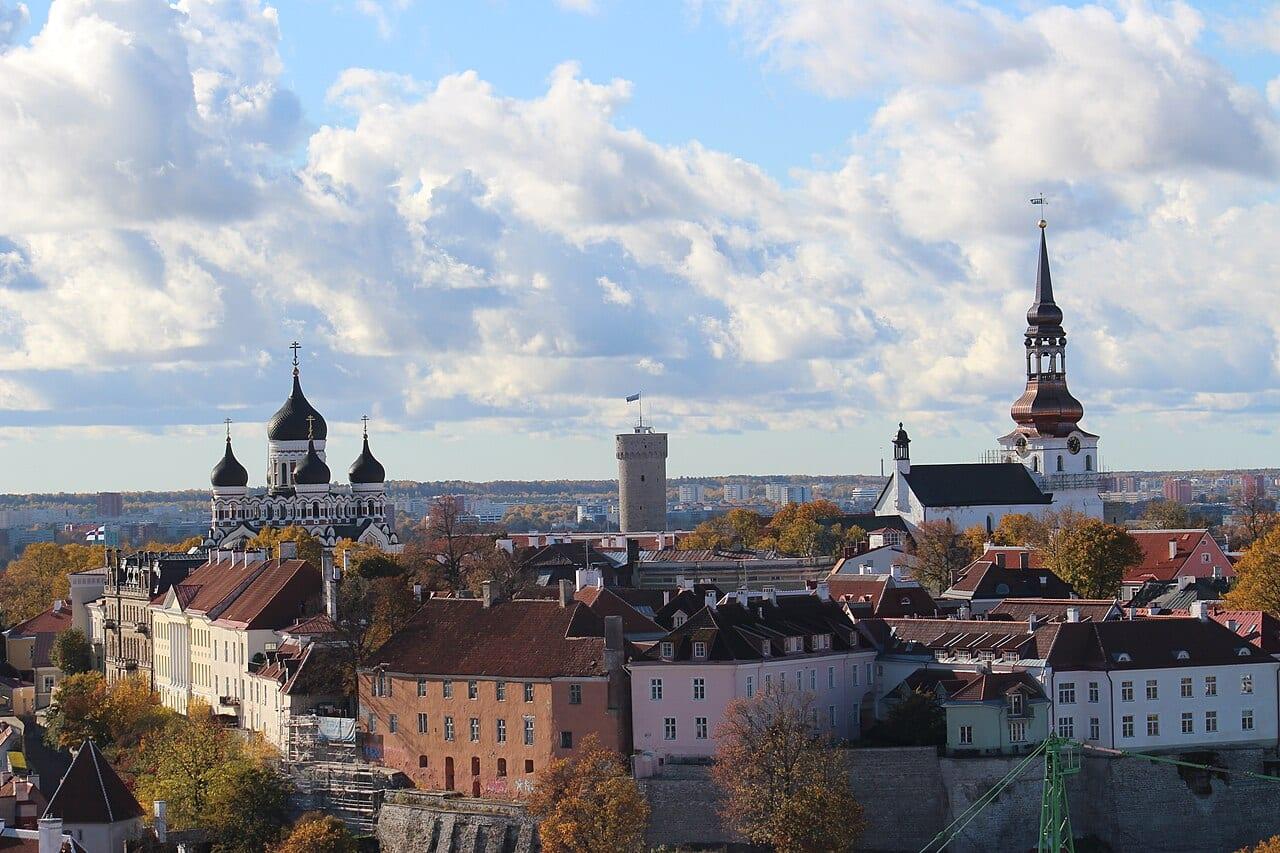
Tallinn City Guide
Tallinn is the Baltic region's standout investment market: the capital of a fully digital, eurozone EU member state with one of Europe's most dynamic technology economies. Estonia adopted the euro on 1 January 2011, removing currency risk for foreign buyers, and the country is globally famous for 'e-Estonia', a digital-government stack where company registration, banking and document signing happen entirely online. Estonia has produced more startup unicorns per capita than any other European country (Skype, Wise, Bolt, Pipedrive and more), and this tech wealth, combined with Tallinn's role as a Baltic gateway port, underpins steady housing demand from young professionals and expats. For investors, Tallinn offers a rare combination for an EU capital: relatively low entry prices (citywide transaction average around €3,050/m²), gross rental yields meaningfully above Western European capitals (citywide ~4.4%, with affordable Soviet-era districts reaching 5–6%), and no recurring tax on buildings, Estonia taxes only land. Transaction costs are among the lowest in Europe (regulated notary fee plus a fixed Land Register state fee; no stamp duty or transfer tax). Prices cooled from the 2024 boom but resumed moderate growth in 2025 as Euribor eased. Caution flags: Estonia has NO property-based golden visa, buying property grants no residency, and 'e-Residency' is a digital business ID, not the right to live in Estonia. The eastern border location near Russia carries a geopolitical risk premium, and short-term-rental rules are tightening, especially in the UNESCO-protected Old Town and under EU Regulation 2024/1028, which applies from May 2026.
Figures are indicative and subject to change. Regulations, taxes and market conditions vary by jurisdiction. Do your own due diligence and seek independent legal and financial advice.