Krabi City Guide

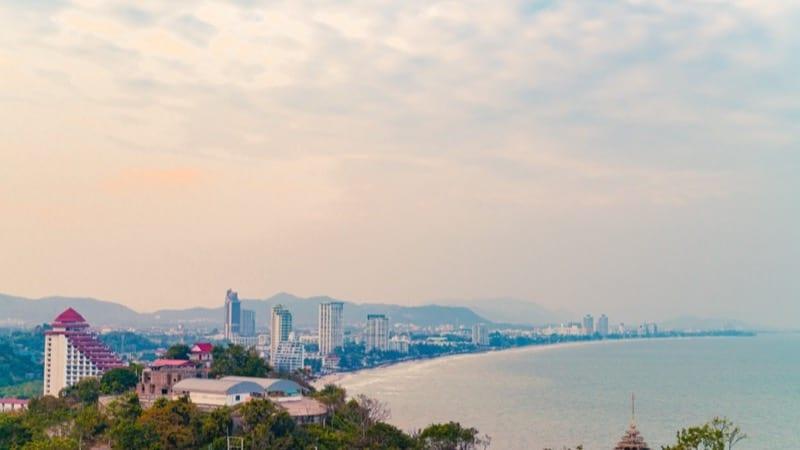
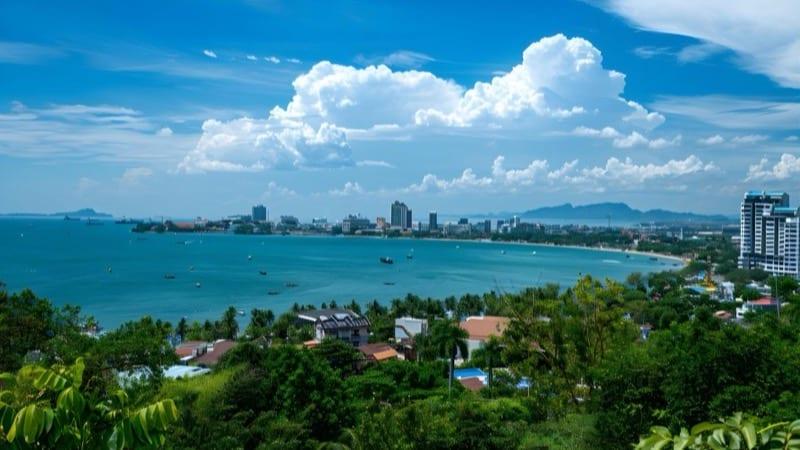
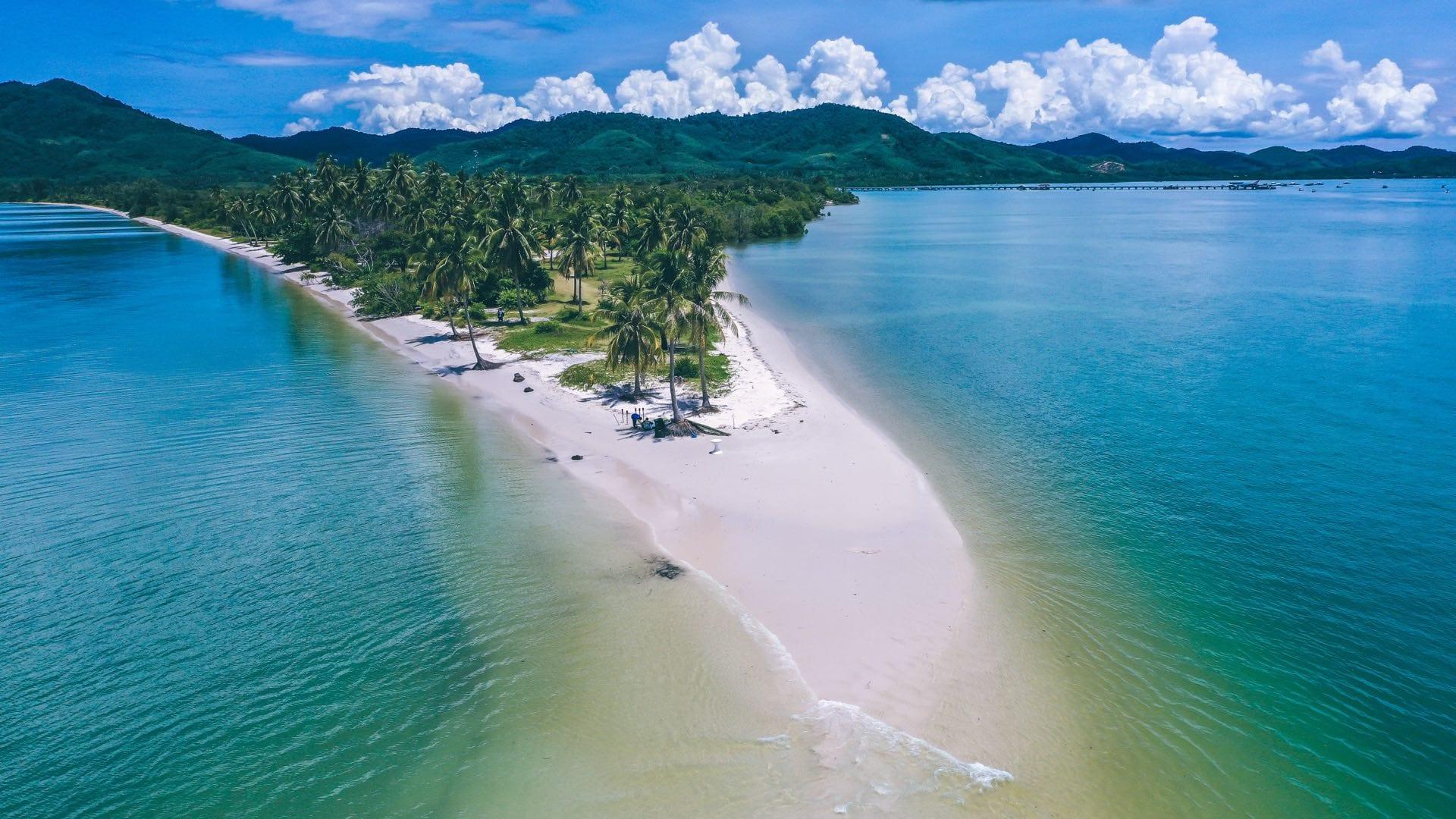
Krabi, on Thailand's Andaman coast, is a tourism-driven resort market prized for its dramatic limestone karsts, beaches and proximity to Railay and the Phi Phi islands. Quieter and lower-priced than neighbouring Phuket, the province pairs a small provincial capital (Krabi Town, population around 33,000) with internationally famous beach destinations led by Ao Nang. The investment appeal is lifestyle and holiday-rental income: median property prices sit near USD 370,000 overall and USD 142,000 for condominiums (about USD 2,400/m2), with gross rental yields around 6% and high short-term occupancy in prime beach areas. Tourism is the engine: Thailand expected 41 million international arrivals in 2025, and Krabi benefits from new direct flights and a major mixed-use mall opening in central Krabi. Development is expanding into the Nong Thale and Khao Thong sub-districts beyond the established Ao Nang corridor. The critical structural factor is Thai ownership law: foreigners can own condominium units outright but only up to 49% of a building's saleable area, while land and villas are typically held on renewable 30-year leaseholds or via Thai-majority structures. Investors should weigh genuine risks: the 49% condo cap and leasehold complexity for landed property, heavy dependence on tourism seasonality and international arrivals, baht currency movements, and environmental and zoning sensitivities along a protected coastline.

Updated May 27, 20267 min read

About Krabi

Krabi, on Thailand's Andaman coast, is a tourism-driven resort market prized for its dramatic limestone karsts, beaches and proximity to Railay and the Phi Phi islands. Quieter and lower-priced than neighbouring Phuket, the province pairs a small provincial capital (Krabi Town, population around 33,000) with internationally famous beach destinations led by Ao Nang. The investment appeal is lifestyle and holiday-rental income: median property prices sit near USD 370,000 overall and USD 142,000 for condominiums (about USD 2,400/m2), with gross rental yields around 6% and high short-term occupancy in prime beach areas. Tourism is the engine: Thailand expected 41 million international arrivals in 2025, and Krabi benefits from new direct flights and a major mixed-use mall opening in central Krabi. Development is expanding into the Nong Thale and Khao Thong sub-districts beyond the established Ao Nang corridor. The critical structural factor is Thai ownership law: foreigners can own condominium units outright but only up to 49% of a building's saleable area, while land and villas are typically held on renewable 30-year leaseholds or via Thai-majority structures. Investors should weigh genuine risks: the 49% condo cap and leasehold complexity for landed property, heavy dependence on tourism seasonality and international arrivals, baht currency movements, and environmental and zoning sensitivities along a protected coastline.

Location

Krabi, Krabi Province, Thailand

Showing this map loads it from Google Maps, which sets their own cookies on your device.

Unlock the full city guide. It's free.

You've read the preview. 3 more sections are open to Explorer members, instantly, with just an email.

No spam, no password, unsubscribe any time.

Already a member? Sign in

  • City highlights
  • Market data and outlook
  • Neighbourhoods to explore

Figures are indicative and subject to change. Regulations, taxes and market conditions vary by jurisdiction. Do your own due diligence and seek independent legal and financial advice.
All city guides